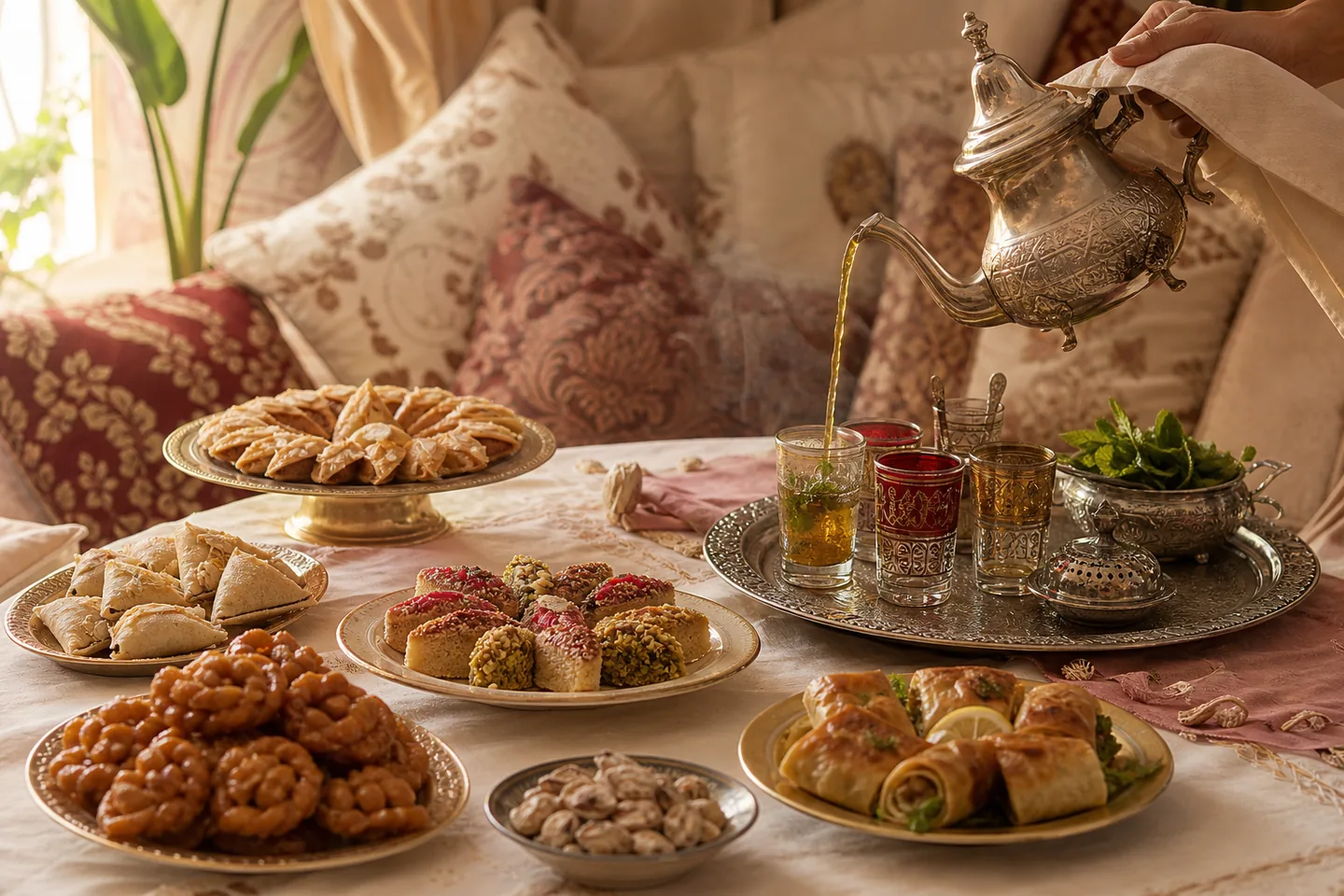
Balance textures and sweetness, include a savoury option, label allergens, use trays at different heights and order around the real guest count.
Build variety through texture
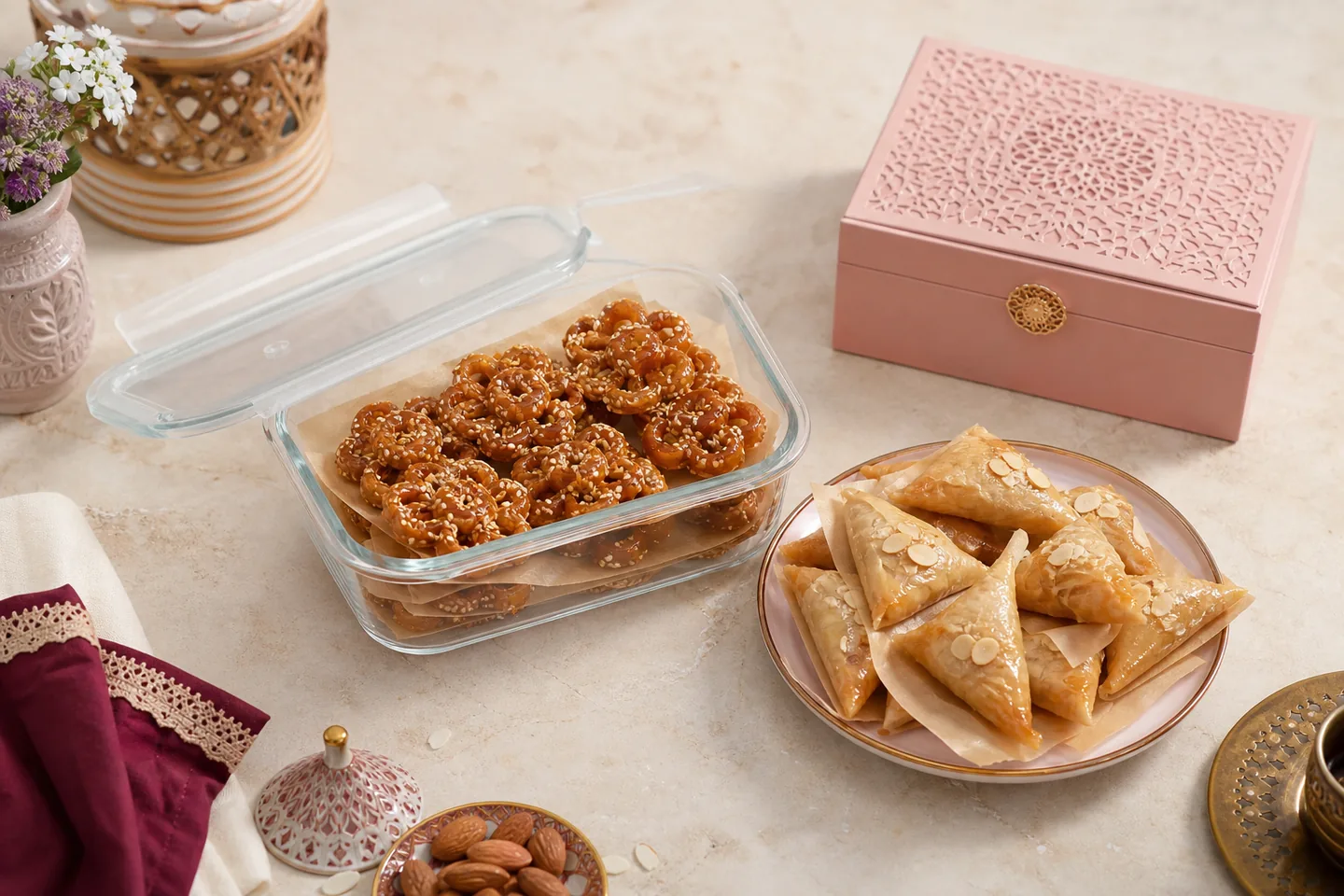
Choose contrast before quantity: one honeyed pastry, one nut-filled bite, one soft cake or brioche and one savoury item already make a satisfying base. Repeating many similar biscuits can look abundant but gives guests fewer real choices.
Consider the season and time. A morning table may lean toward breads, msemen, brioche and lighter sweets. An evening reception can support richer almond pastries, mini pastillas and decorated cakes.
Pair the food with the drinks
Moroccan mint tea is the natural centre, but coffee, water and a caffeine-free infusion help more guests feel considered. Strongly honeyed pastries pair well with unsweetened or lightly sweetened drinks.
Keep the drink station close enough to serve comfortably but far enough that steam and spills do not reach crisp pastries. Refill smaller teapots and trays rather than overcrowding the table.
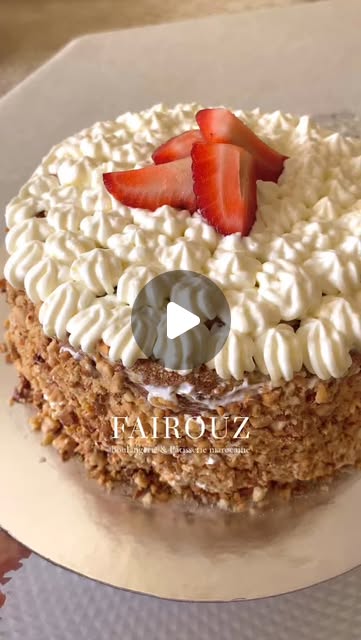
Plan for guests, allergies and children
Ask in advance about sesame, nuts, wheat, milk and egg. Keep a separate serving utensil with each labelled tray. US guidance recognizes these ingredients among major allergens; a decorative nut or sesame topping is still important information.
For children, include simple smaller pieces and avoid placing hot tea at the edge. For older guests, provide comfortable seating and a few softer options. Hospitality feels generous when people can choose safely and easily.
Present the table with calm elegance
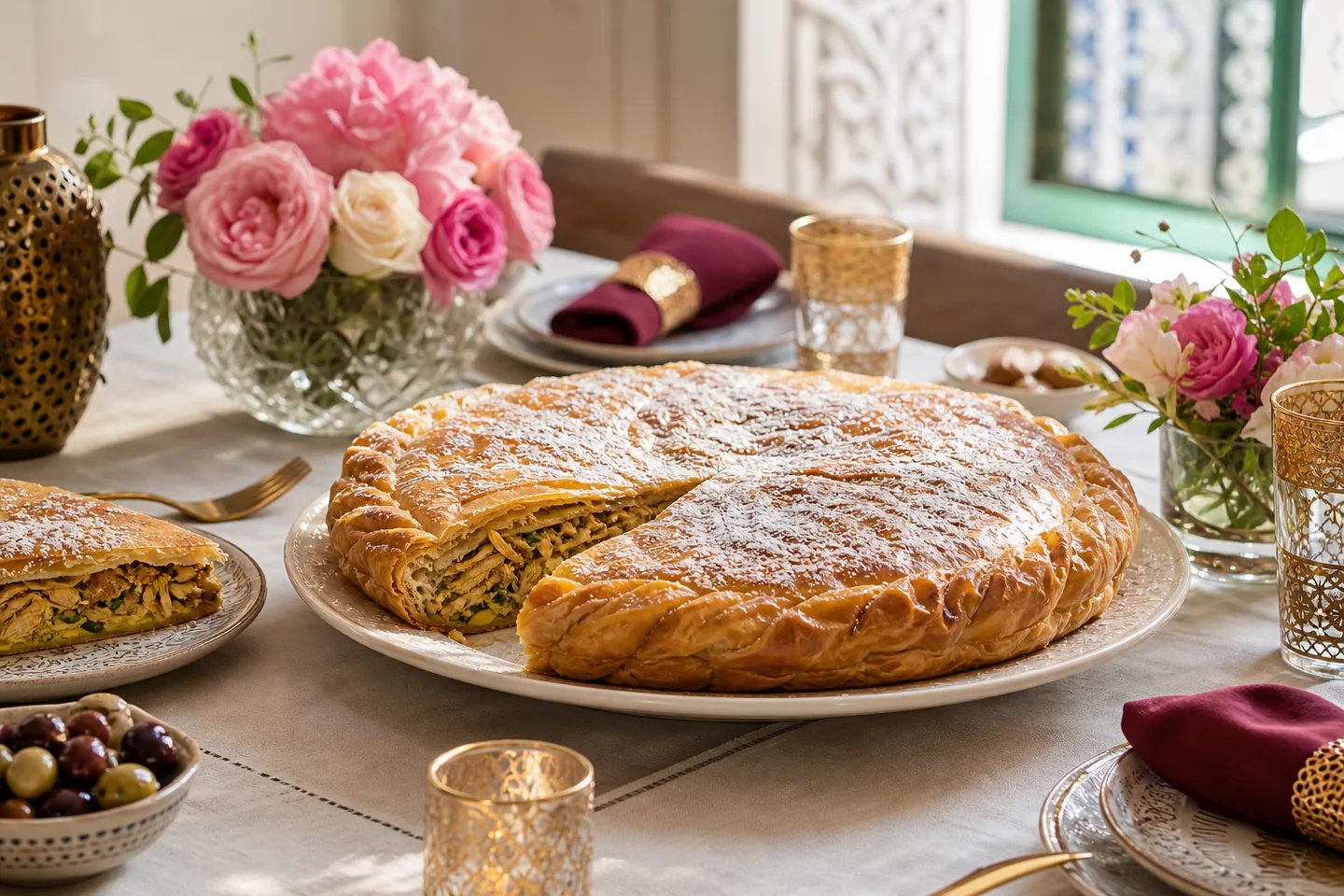
Use one hero tray and several smaller dishes instead of a flat wall of food. Varying heights with safe stable stands creates rhythm. Leave room for teacups, napkins and serving tools.
Warm white, rose, burgundy and brass tones suit Fairouz Bakery’s presentation. Fresh flowers or greenery can add colour, but keep strongly scented flowers away from food. Put replenishment boxes aside so the visible table remains tidy.
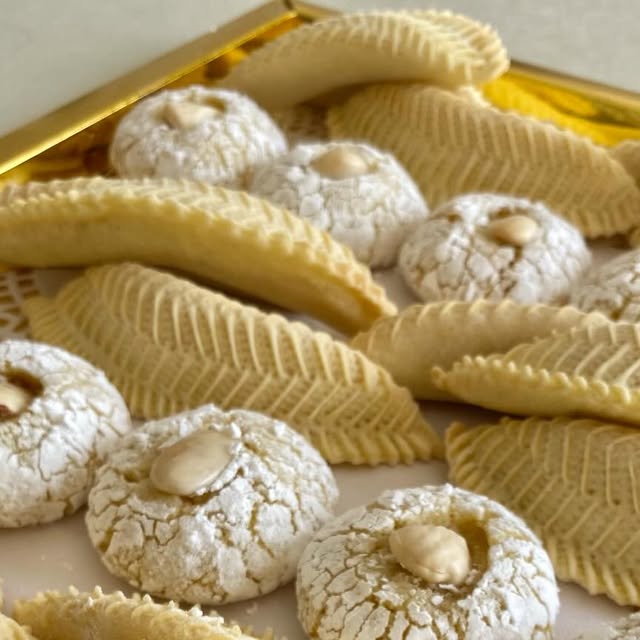
Order with a clear brief
Tell the bakery the guest count, time of day, occasion, preferred sweet-to-savoury balance, allergies and whether you need gift boxes. Browse the Fairouz Bakery catalogue for ideas, then use the contact page for help creating a coherent assortment.
- Guest count and age mix
- Tea, brunch or evening reception
- Desired sweet and savoury balance
- Allergies and dietary needs
- Serving platters or gift boxes
- Delivery and setup time
Frequently asked questions
How many pastry varieties should a tea table have?
Four to six well-chosen varieties usually create more useful contrast than many similar items. The right total depends on guest count and whether other food is served.
Should everything be sweet?
No. A savoury bread, filled rghaif or mini pastilla balances honeyed and almond pastries.
How can I keep the table fresh?
Display smaller quantities, keep reserve boxes stored correctly and replenish during the gathering.
How many pastries should I plan per guest?
The right number depends on pastry size, gathering length and whether other food is served. Share the full menu and guest count for a tailored suggestion.
Can I prepare the tea table in advance?
Arrange plates and serving pieces early, but add delicate or chilled food close to serving time. Keep reserve pastries stored correctly and replenish the table.
Trusted sources
References used for heritage, food-safety and allergen guidance.
Moroccan National Tourist Office — GastronomyFDA — Safe Food HandlingUSDA — Food Allergies: The Big 9